Analytical Report on the Responses Provided by Male and Female Coaches During the Focus Group Discussions
The present discussion was conducted as part of a broader quanti-qualitative inquiry into the perceptions, experiences, and practices of coaches regarding athletes’ eating behaviors, body image, and the potential onset of eating disorders. To facilitate an open and in-depth exploration of these themes, a series of focus group sessions were organized, involving both male and female coaches from a variety of sporting disciplines.
The discussion was structured around a semi-structured interview guide comprising fifteen key questions, some of which included sub-questions (see Annex n. 1 at the end of this document). The sessions were conducted at local sports clubs in the five countries participating in the project: Bulgaria, Greece, Hungary, Italy, and Spain. The initial part of the discussion aimed to gather brief demographic and professional background information, such as age, gender, type of sport coached, years of experience, weekly hours dedicated to coaching, the age group of athletes, and team size. These elements provided important context for interpreting the coaches’ perspectives and responses.
Subsequent questions explored the participants’ knowledge and recognition of eating disorders, their direct experiences with athletes displaying signs of disordered eating, and the actions taken in such cases. Particular attention was given to coaches’ perceptions of the factors that promote healthy eating behaviors versus those that may contribute to the development of eating disorders.
Further questions addressed the perceived importance of body weight and appearance in relation to athletic performance, as well as the potential existence of gender differences in how these aspects are evaluated. The discussion also investigated whether coaches had witnessed or enacted different treatments toward athletes based on their weight or physical appearance, including practices such as weighing athletes, commenting on their bodies, or offering nutritional advice. Where such practices occurred, participants were asked to specify the nature of their advice and the knowledge or resources on which it was based.
Finally, the focus group concluded with reflective questions concerning the potential influence of coaching behavior on the emergence of eating disorders, and the identification of tools or resources that coaches feel are necessary to enhance their competence in addressing weight- and nutrition-related issues with athletes in a safe and effective manner.
This structured approach enabled the collection of rich, nuanced data on how coaches perceive their role and responsibilities in supporting athletes’ physical and psychological well-being within the broader context of sport and performance.
The following section presents the various responses in the order in which they emerged during the discussions, followed by a series of analytical elaborations focused on specific aspects.
In particular, attention is given to the gender of the coaches (male or female) and to the type of sport they coach—distinguishing between team sports and individual sports. Within the latter category, further distinctions are made between aesthetic disciplines (especially rhythmic gymnastics), athletic disciplines (such as track and field, swimming, or rowing), and combat sports (including judo and wrestling).
Coaches Distribution and Their Characteristics in general and by Gender
| GENDER | TOT. | AGE – AVERAGE | YEARS OF EXPERIENCE – AVERAGE | TRAINING HOURS/WEEK – AVERAGE | GROUP AGE – AVERAGE | N. ATHLETES PRO CAPITA – AVERAGE |
|---|---|---|---|---|---|---|
| F | 31 | 33 | 11.9 | 14.4 | 12.9 | 31.3 |
| M | 39 | 39.3 | 14.9 | 21 | 15.8 | 42.6 |
| ALL | 70 | 36.5 | 13.5 | 18 | 14.5 | 36.7 |
Composition of the Sample e Coaches by Type of Sports
| TEAMSPORTS | INDIVIDUAL | COMBAT | |
|---|---|---|---|
| AGE (AV) | 35 | 37 | 38 |
| FEMALE | 13 | 18 | 0 |
| MALE | 15 | 13 | 11 |
| YEARS OF EXPERIENCE (AV) | 13.2 | 14.8 | 11.7 |
| TRAINING H./WEEK (AV) | 16.4 | 18 | 22.5 |
| GROUP AGE (AV) | 13.5 | 15.4 | 13 |
| N. ATHLETES (AV) | 54.4 | 25.8 | 26.6 |
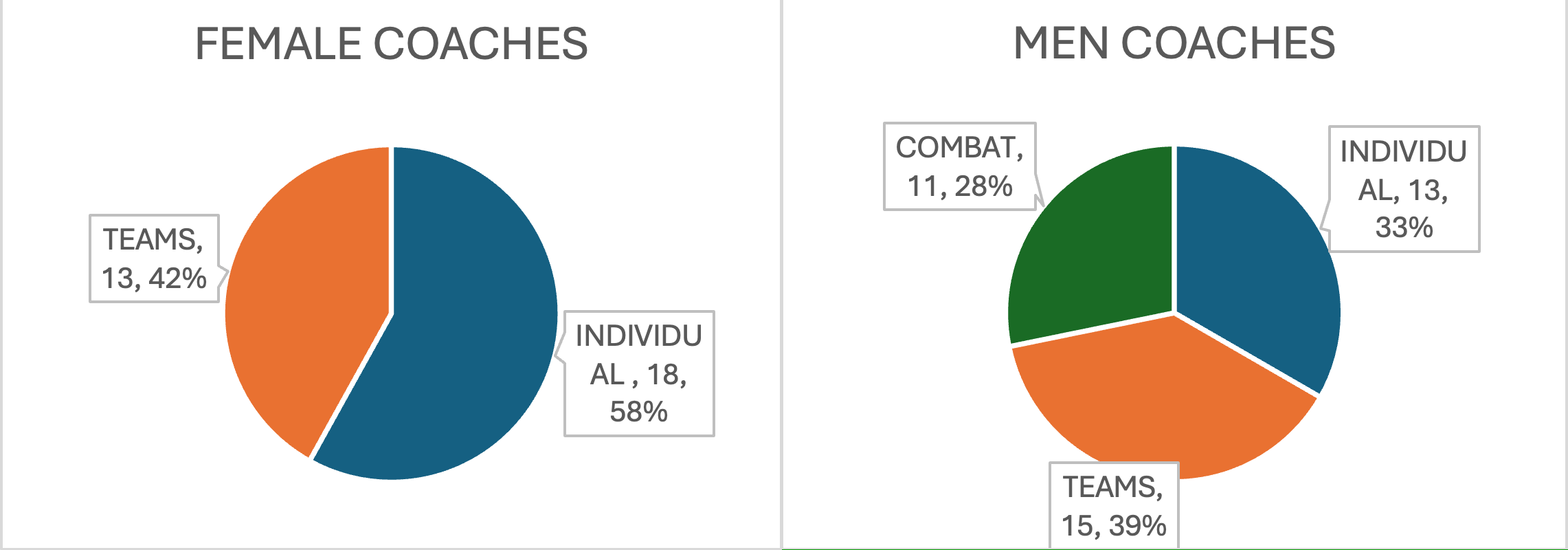
From the perspective of overall distribution, male and female coaches do not exhibit significant differences; however, at the individual level, male-coached sports tend to be characterized by strength-based competition (combat or athletic performances), whereas female-coached sports are associated with aesthetic control (rhythmic, acrobatic, and artistic gymnastics).
Summary Table of Quantitative Responses in Absolute and Percentage Values – All Coaches, Male Coaches, and Female Coaches
| ALL | Q3 | % | Q4 | % | Q5 | % | Q8 | % | Q9 | % | Q10 | % | Q11 | % | Q12 | % |
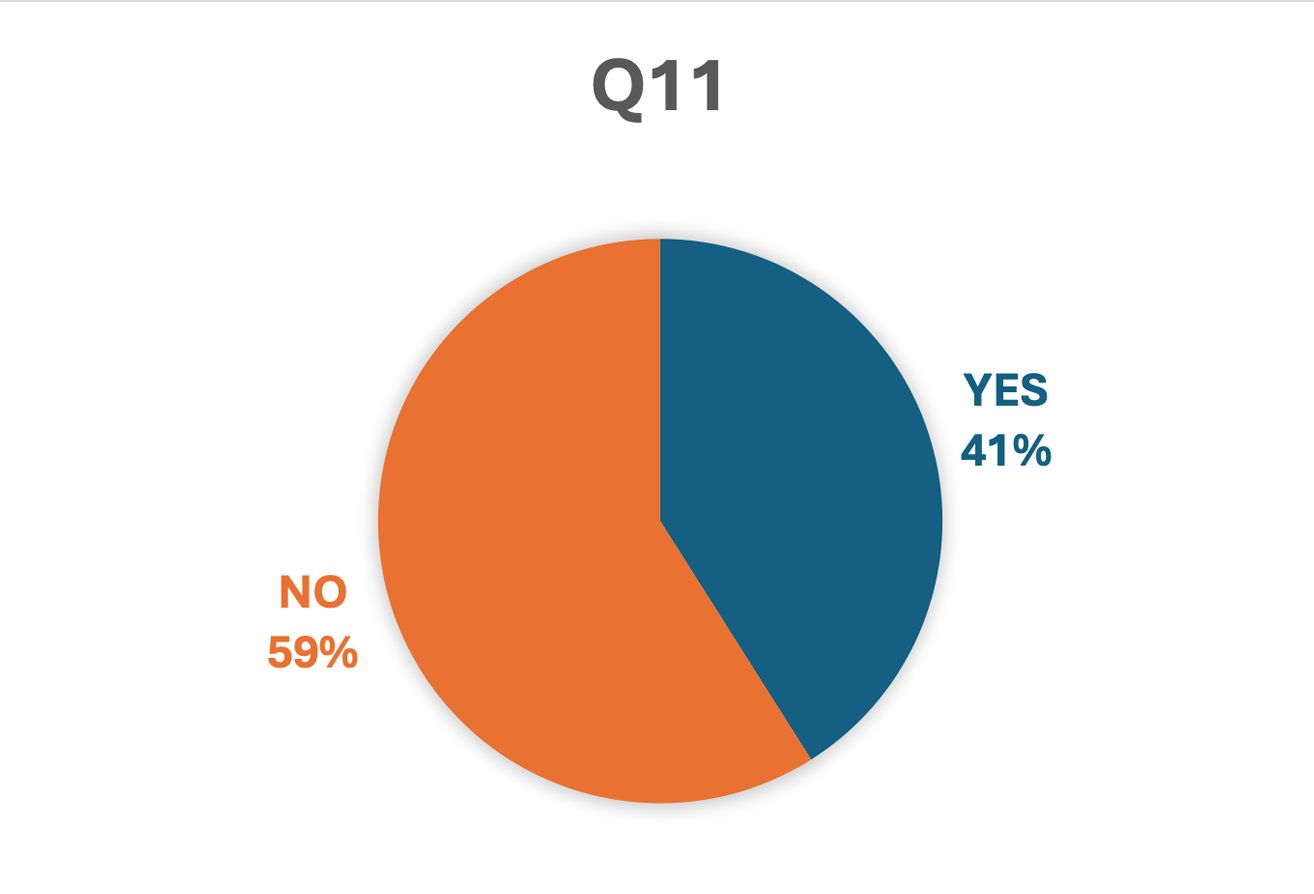
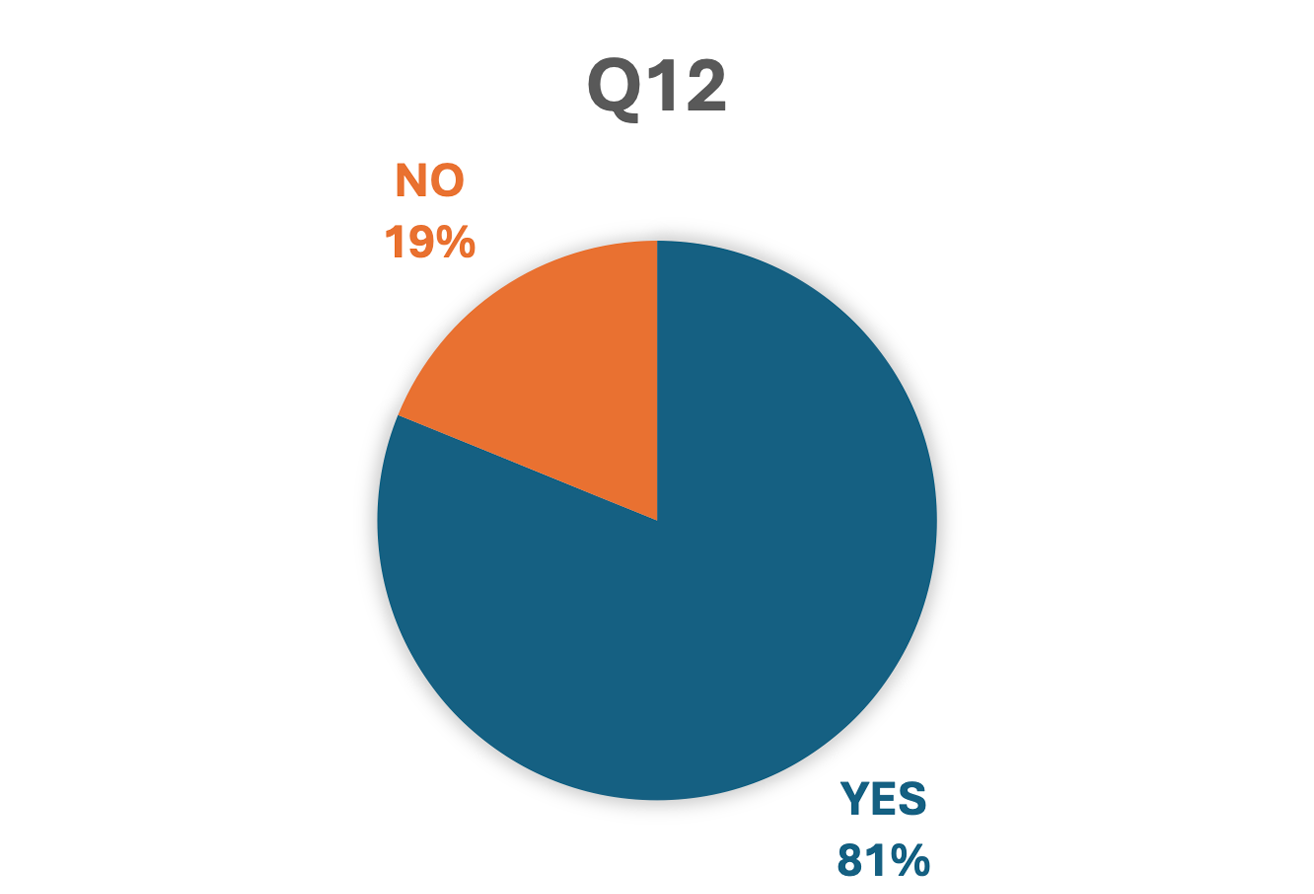
| YES | 65 | 93 | 58 | 84 | 38 | 56 | 53 | 76 | 56 | 81 | 35 | 50 | 16 | 41 | 56 | 81 |
| NO | 5 | 7 | 11 | 16 | 30 | 44 | 17 | 24 | 13 | 19 | 35 | 50 | 23 | 59 | 13 | 19 |
| MEN | Q3 | % | Q4 | % | Q5 | % | Q8 | % | Q9 | % | Q10 | % | Q11 | % | Q12 | % |
| YES | 35 | 90 | 31 | 79 | 21 | 55 | 31 | 79 | 32 | 84 | 24 | 62 | 13 | 50 | 32 | 84 |
| NO | 4 | 10 | 8 | 21 | 17 | 45 | 8 | 21 | 6 | 16 | 15 | 38 | 13 | 50 | 6 | 16 |
| WOMEN | Q3 | % | Q4 | % | Q5 | % | Q8 | % | Q9 | % | Q10 | % | Q11 | % | Q12 | % |
| YES | 30 | 97 | 27 | 90 | 17 | 55 | 22 | 71 | 24 | 77 | 20 | 65 | 3 | 23 | 24 | 77 |
| NO | 1 | 3 | 3 | 10 | 14 | 45 | 9 | 29 | 7 | 23 | 11 | 35 | 10 | 77 | 7 | 23 |
Summary Table of Quantitative Responses in Absolute and Percentage Values by Type of Sport
| TEAM | Q3 | % | Q4 | % | Q5 | % | Q8 | % | Q9 | % | Q10 | % | Q11 | % | Q12 | % |
| YES | 25 | 89 | 20 | 71 | 14 | 50 | 20 | 71 | 19 | 70 | 14 | 50 | 5 | 26 | 23 | 85 |
| NO | 3 | 11 | 8 | 29 | 14 | 50 | 8 | 29 | 8 | 30 | 14 | 50 | 14 | 74 | 4 | 15 |
| INDIVIDUAL | Q3 | % | Q4 | % | Q5 | % | Q8 | % | Q9 | % | Q10 | % | Q11 | % | Q12 | % |
| YES | 29 | 94 | 28 | 93 | 18 | 60 | 22 | 73 | 26 | 87 | 11 | 37 | 1 | 10 | 23 | 74 |
| NO | 2 | 6 | 2 | 7 | 12 | 40 | 9 | 27 | 5 | 13 | 20 | 63 | 9 | 90 | 8 | 26 |
| COMBAT | Q3 | % | Q4 | % | Q5 | % | Q8 | % | Q9 | % | Q10 | % | Q11 | % | Q12 | % |
| YES | 11 | 100 | 10 | 91 | 6 | 55 | 11 | 100 | 11 | 100 | 10 | 91 | 10 | 100 | 10 | 91 |
| NO | 0 | 0 | 1 | 9 | 5 | 45 | 0 | 0 | 0 | 0 | 1 | 9 | 0 | 0 | 1 | 9 |

The graph above here shows that, aside from some “physiological” and evenly distributed gender differences (with the exception of questions 10 and 11), the overall trend is substantially aligned.

Even if only at first glance, it can be observed that when the responses are reorganized according to different types of sports, greater and more widespread differences emerge.
We will examine the results analytically, addressing one question at a time and focusing solely on the general data. Differences based on gender and type of sport will instead be considered during the qualitative analysis, which, due to its formal nature, allows for a clearer and more insightful interpretation.
3) Do you know what is meant by “eating disorder”?

4) If so, could you recognize it?
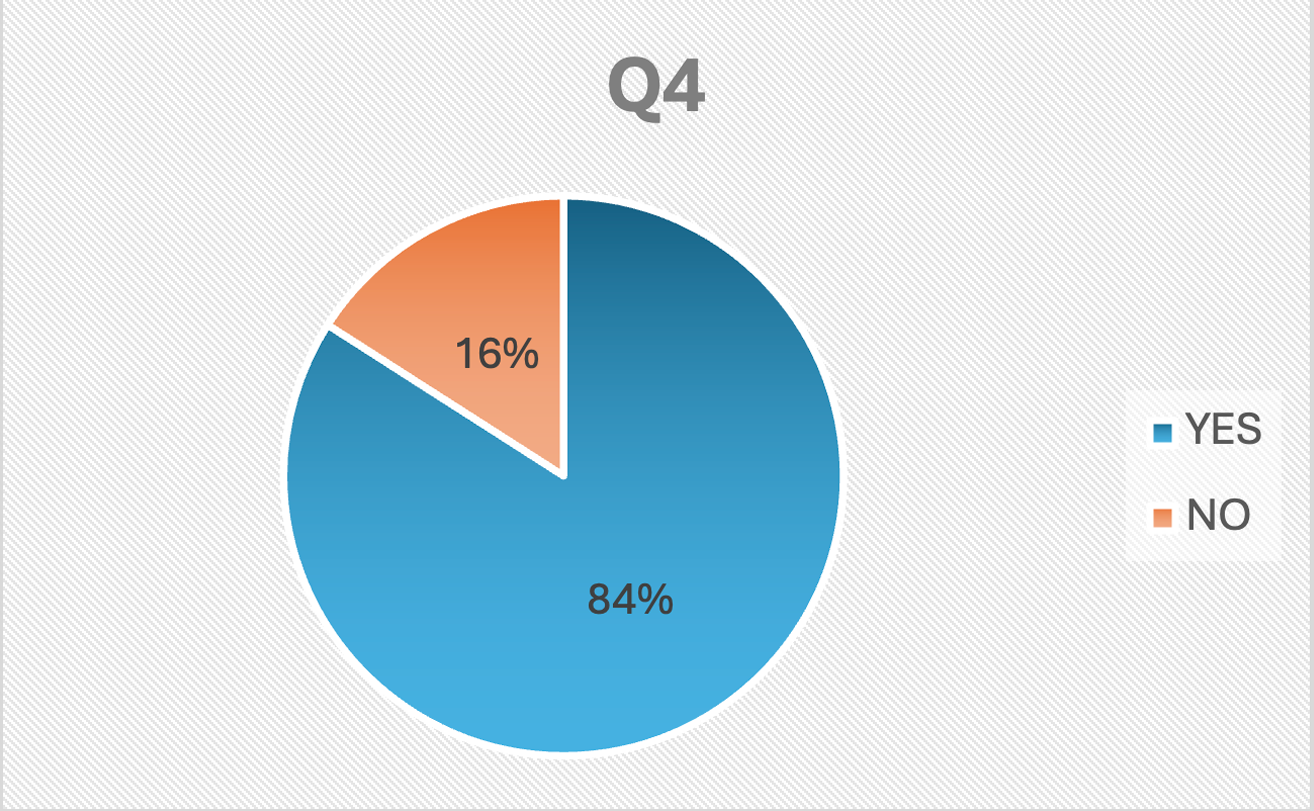
5) Have you ever had direct experience with athletes who show signs of eating disorders?
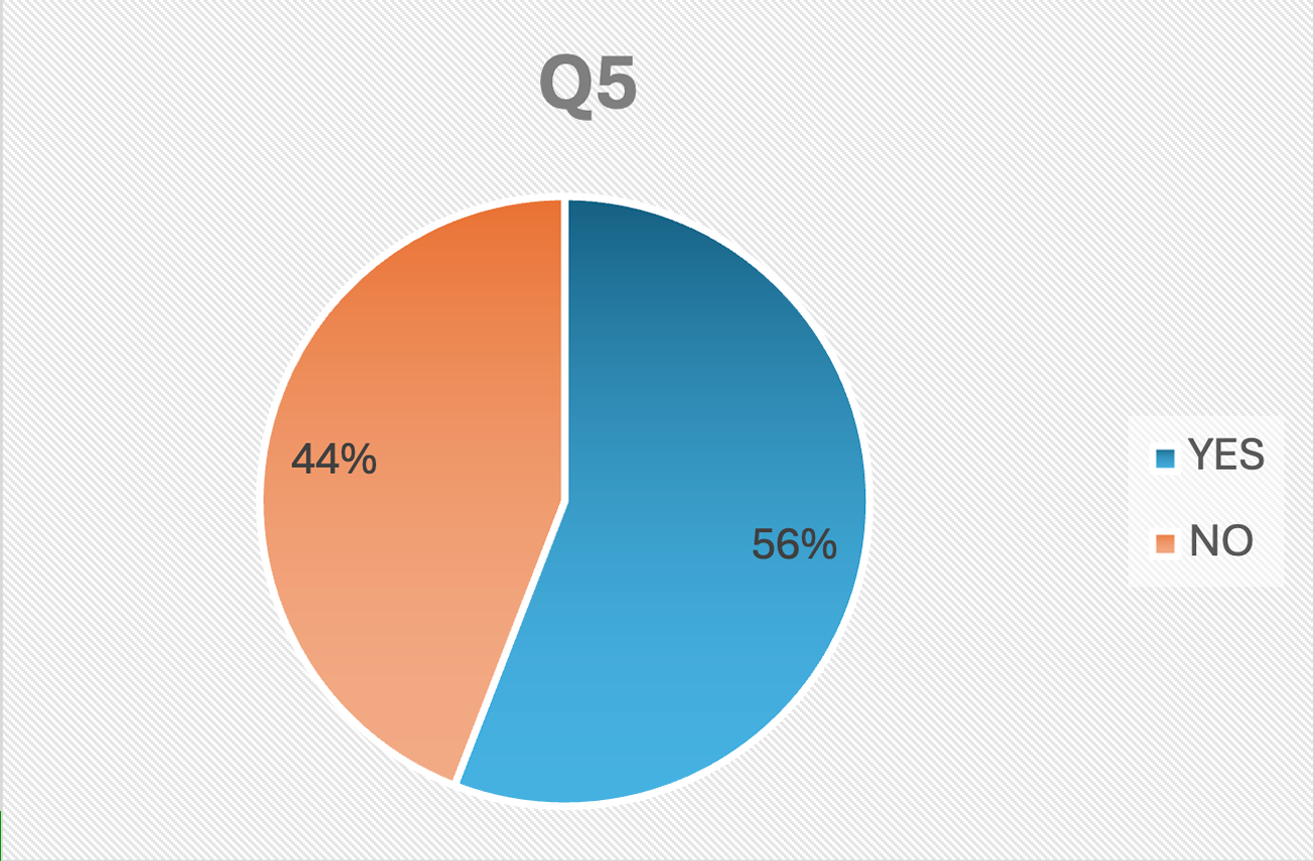
8) Are there gender differences in how weight and body shape are considered important for performance?

9) Have you ever seen situations where an athlete was treated differently because of their weight or physical appearance?

10) Do you ever weigh athletes?

11) If so, do you do it in the presence of others? Yes No
12) Have you ever given advice or comments about your athletes’ weight, physical appearance or nutrition? Yes No
Therefore, after this brief and general overview, we move on to the presentation of the analysis developed through the grouping and reworking of the qualitative data.
QUALITATIVE REVIEW
# 6 question: Coaches’ Responses to Athletes
Many responses overlapped in content (e.g., “talked to the athlete and parents,” “referred to a specialist”); therefore, I retained one representative formulation for each recurring idea. The thematic grouping presented below is based on qualitative data and ordered by perceived familiarity. What follows are the distinct and representative responses, grouped by type of intervention and arranged from the most to the least familiar or commonly mentioned.
A. Direct Communication with Athlete and Family (Most common)
These responses reflect first-line, empathetic, and practical engagement:
- I talked to the parents and the athlete and told them to consult a specialist.
- I tried to talk to the athlete and the parents about the situation, addressing the topic through the decline in performance.
- I spoke to the parents and to the athlete.
- I contacted the parents and spoke with the athlete about the importance of quality nutrition for sports performance. After agreeing, we included breaks in the training for regular small snacks and all the coaches worked on the athlete’s mental state.
- First, I tried to observe the child. Subsequently, I talked with him about general things, which included access to food, family situation, situation at school and in the sports club. Next, I contacted his parents about a suspected eating disorder.
- I tried to establish a constructive relationship with the athlete about it, I spoke to a professional and I spoke with the family.
B. Referral to Specialists (Psychologists, Nutritionists, Doctors)
Second-level responses focused on external help after initial concern:
- I consulted with the athlete, offered support, and recommended professional help (nutritionist or psychologist).
- I talked to the athlete, the family and recommended going to the doctor. If there is a diagnosis of ED, be seen by an ED specialist.
- We discussed the issue with the athlete’s parents and consulted a doctor and a nutritionist.
- I contacted the athlete’s parents so that they could get in touch with a doctor/nutritionist.
- I asked for help to my team manager and the team psychologist.
- I tried to explain the problem to him discreetly. And I recommended seeking professional help.
C. Prevention and Education Strategies
These reflect broader or proactive measures to reduce risk:
- Started giving talks to all the players on the children’s team on health education. In order to prevent and/or help detect. Following this talk, the girl came to us to explain that she had problems with food, we referred her to the club’s sports psychologist and we are monitoring her to make sure she doesn’t lose weight.
- At the concentrations everything is requested without gluten (relevant in cases like celiac disease).
- Definition of ideal performance by high educational guidance.
D. Observation and Discreet Monitoring
Approaches based on careful, empathetic observation:
- Would observe if there are physical or behavioral changes. He would not confront or comment on their body. Would talk privately with empathy. Would inform those in charge if it is a minor. Would encourage healthy habits. Suggest professional help.
- Tell the parents and constantly keep an eye on what they were doing.
E. Control and Behavior Management (Less common or ethically questionable)
Interventions that imposed structure or control:
- An athlete who was not losing weight was put on 24-hour control and eating according to the 5-step methodology and gave a clear result.
- Feeding with low-calorie foods.
- The athlete is placed under the supervision of the coach.
- Coach’s tactics.
F. Personal Stories / Irregular Cases
Individual or reflective responses that didn’t directly involve intervention:
- My athlete was secretly eating not according to the recommended diet and to hide his weight gain he would stir in his mouth to induce vomiting.
- Trying to help him value himself and accept himself as he is. People are not all the same, but it is a long process.
- There was nothing to be done. It was still in my childhood when I was a top athlete myself.
- Celiac, at the concentrations everything is requested without gluten.
| Category | Representative Actions |
|---|---|
| A – Direct Communication with Athlete & Family Most common, first response which reflects first-line, empathetic, and practical engagement. |
|
| B – Referral to Specialists Very common, second response focused on external help after initial concern. |
|
| C – Prevention & Education Strategies Moderate use, proactive measures to reduce risk. |
|
| D – Observation & Discreet Monitoring Less frequent but thoughtful. Approaches based on careful, empathetic observation. |
|
| E – Control & Behavior Management interventions that imposed structure or control; it is rare, and potentially problematic. |
|
Key Differences Between Male and Female Coaches
| Category | Female Coaches | Male Coaches | Notable Differences |
|---|---|---|---|
| A – Direct Communication with Athlete & Family | Frequent: direct and early involvement, with emphasis on relationship-building and mental support | Also common, but more structured tone (e.g., “establishing a constructive relationship”, “defining ideal performance”) | Women use a more empathetic, relational approach; men use a more structured or performance-based tone. |
| B – Referral to Specialists | Present: referral to psychologists or nutritionists, sometimes via team manager | Present: referrals often framed in more medical terms (doctor/nutritionist) | Men emphasize medical professionals (doctor/nutritionist), while women mention team-based psychological support more often. |
| C – Prevention & Education Strategies | NO Absent from female responses | Present: “definition of ideal performance”, gluten-free meal management (celiac athlete) | Only male coaches referred to educational or preventive strategies. This is a clear divergence. |
| D – Observation & Discreet Monitoring | One clear example: gradual observation before addressing the issue | No clear examples from male responses | Only females mentioned initial discreet observation before intervention — a more gradual, exploratory mode. |
| E – Control & Behavior-Based Strategies | None | None | No notable difference |
| F – Anecdotal/Personal Reflections | One response: personal memory as a young athlete | One response: encouraging athlete self-acceptance | Balanced: both genders offered occasional reflective, non-intervention stories |
- Prevention (Category C) appears exclusively male in this data set.
- Observation & Monitoring (Category D) appears only in female responses.
Summary of Key Gender-Based Differences
- Female Coaches Tend to:
- Emphasize relational and emotional engagement.
- Work collaboratively with other coaches and the family.
- Use gradual observation (Category D) before taking action.
- Refer more often to psychological support.
- Male Coaches Tend to:
- Use a more structured or educational tone (“define ideal performance”, “constructive relationship”).
- Offer preventive or health-education strategies (Category C) — not seen in female responses.
- Refer more to medical figures (doctor/nutritionist) over psychological ones.
Final Thoughts
- These patterns suggest differing cultural or educational orientations: female coaches show a preference for relational, empathetic engagement, while male coaches lean toward rational, educational, or structured approaches.
Finally, here’s a brief comparative summary of responses grouped by sport type:
GYMNASTICS
- Action Taken:
- Sought support from team psychologist and team manager.
- Talked directly to the athlete and offered help.
- Tone: Personal and emotionally supportive.
INDIVIDUAL COMPETITION
- Action Taken: Involved athlete’s family and consulted external professionals (doctor, nutritionist). Prioritized family communication especially for minors.
- Approach: Careful observation, empathetic private conversation, promotion of healthy habits.
- Example: Athlete with celiac disease—adapted team diet accordingly.
COMBAT DUEL (1 vs 1)
- Action Taken:
- Focused on family engagement first, particularly due to age.
- Emphasized non-confrontational communication.
- Promoted psychological well-being and body acceptance.
- Style: Preventive, empathetic, and oriented toward long-term support.
TEAM SPORT
- Action Taken:
- Developed preventive strategies, such as educational talks to the whole team.
- Monitored behavior and involved club psychologist upon disclosure.
- Investigated broader context (family, school, club) before contacting parents.
- Approach: Structured, multi-level intervention including follow-up monitoring.
Cross-Category Patterns & Insights
- Common First Steps: Observation, empathetic dialogue, and parental involvement—especially for minors.
- Support System: All groups sought professional (medical/psychological) help where possible.
- Unique Element in Team Sports: Preventive education sessions helped trigger self-disclosure and peer awareness.
- Gymnastics & Combat Sports: Strong emphasis on emotional support and helping athletes accept body diversity.
# 7 question: In your opinion, what are the factors that influence athletes’ correct eating behaviors and which can instead contribute to the development of eating disorders?
Summary Table – Factors Influencing Eating Behaviors in Sport
| Thematic Category | Positive Influences on Eating Behavior | Negative Influences Leading to EDs | Approx. Frequency |
|---|---|---|---|
| 1. Parental Influence | Good eating habits in the family; parental support | Lack of family knowledge; high parental expectations | 12 |
| 2. Peer Comparison & Social Media Pressure | Positive peer models; limited exposure to harmful media | Peer comparison; cyberbullying; chasing social media ideals | 10 |
| 3. Coach Influence | Constructive guidance focused on health and performance | Pressure from coaches regarding weight and appearance | 9 |
| 4. Education & Nutritional Knowledge | Nutritional education from coaches, schools, professionals; food literacy campaigns | Misinformation; extreme or overly rigid dietary rules | 10 |
| 5. Psychological Factors | Self-knowledge; body acceptance; emotional awareness | Anxiety, stress, obsession with control and appearance | 9 |
| 6. Body Image & Aesthetic Demands | Focus on functionality over appearance; acceptance of diversity | Overemphasis on weight loss, idealized physiques, self-surveillance | 8 |
| 7. Social & Team Environment | Supportive team dynamics; constructive communication | Bullying, toxic team culture, lack of support | 6 |
| 8. Lifestyle Transitions & Living Conditions | Structured routines; support during transitions (e.g., moving out) | Living away from home, unstructured eating habits, difficulty adapting to body changes | 4 |
| 9. Medical/Physiological Aspects | Balanced hydration; appropriate supplementation (e.g., electrolytes) | Dehydration, undernourishment, dangerous restrictions (e.g., cutting food/water before weigh-ins) | 3 |
| 10. Professional Support | Access to dietitians, psychologists, multidisciplinary team | Lack of support network or delayed referral to experts | 3 |
Major Differences Between Female and Male Coaches
- Female coaches tended to provide more holistic, emotionally aware, and socially contextualized answers. They often discussed family dynamics, social comparison, mental health, and coach-athlete communication as interconnected contributors to EDs.
- Male coaches tended to focus on practical factors like education, peer influence, and diet knowledge, with less discussion of emotional or social context. Their reflections were generally less detailed and less emotionally framed.
Factors influencing correct eating behavior vs. contributing to eating disorders based on Sport Category
| Sport Type | Positive Influences | Risk Factors for Eating Disorders |
|---|---|---|
| GYMNASTIC |
|
|
| INDIVIDUAL COMPETITION |
|
|
| COMBAT SPORTS |
|
|
| TEAM SPORTS |
|
|
Here’s a short summary of the main differences between the four sport categories in terms of factors influencing healthy eating and eating disorders:
| Sport Type | Main Characteristics |
|---|---|
| Gymnastics |
Most complex and multifactorial: strong focus on body aesthetics, high coach and peer pressure, social media impact, and family influence. Also shows greater awareness of mental health and need for professional support. |
| Individual Competition Sports |
Emphasis on family habits and autonomy in food choices. Parental expectations and coping with growth/puberty are central. Social appearance and peer judgment are key risks. Less focus on coach influence. |
| Combat Sports |
Focused on weight-cutting practices: dehydration, food restriction, and rapid recovery. Less variety in responses. More practical than psychological or aesthetic concerns. Peer comparison noted, but coach pressure is not central. |
| Team Sports |
Highlights social dynamics: peer comparison, parental pressure, misinformation from social media. Mentions cyberbullying and obsession with diet tracking. Emphasizes the need for balanced education and supportive environments. |
# 13 question: Do you have ever given advice or comments about your athletes’ weight, physical appearance or nutrition; just in case, what type and based on what knowledge?
Here’s a clean summary table, organized by theme and knowledge source:
| Category | Summary of Coaches’ Answers | Knowledge Source / Basis |
|---|---|---|
| Experience-based advice | Many coaches gave advice based primarily on years of coaching experience and personal practice with athletes. | Personal coaching experience, practice |
| Formal education & training | Advice grounded in formal education: courses on biochemistry, physiology, sports medicine, nutrition, sports psychology. | University degrees, coach certifications, workshops |
| Collaboration with experts | Coaches work with nutritionists, exercise physiologists, or doctors to provide specialized nutritional advice. | Nutritionists, sports scientists, medical staff |
| General healthy eating guidelines | Recommendations focus on balanced diets, moderation, reducing sweets/oil, increasing fruits/vegetables, hydration. | Common nutritional knowledge, public health advice |
| Parent-focused advice | Dietary advice often given to parents, especially in youth sports, to support athletes’ nutrition at home. | Observations, family involvement |
| Nutrition related to performance | Emphasis on nutrition as fuel, weight control for optimal performance, pre-competition nutrition strategies. | Sports nutrition principles, performance science |
| Individualized approach | Consideration of athlete individuality, moderation, and psychological factors (self-acceptance, body image). | Coaching experience, sports psychology |
| Reactive advice | Advice given mostly when athletes initiate conversation or exhibit issues; referral to specialists encouraged. | |
| Ethical caution, referral to nutritionists | ||
| Practical tips & reminders | Reminders about eating timing (e.g., before games), energy-providing snacks, hydration during competitions. | Experience, personal practice |
Summary Table – Gender-Based Coaches’ Advice on Weight, Appearance, and Nutrition
| Category | Female Coaches (♀) | Male Coaches (♂) |
|---|---|---|
| More emphasis on caution & ethics | Frequently emphasized not overstepping their limits, often referring athletes to experts | Less frequently mentioned caution; more direct advice on weight and training |
| Body image & psychology | Often included messages on self-acceptance and avoiding comparison | More likely to suggest “improving physique” or “getting stronger” |
| Parental engagement | High involvement: advice given through parents, especially for younger athletes | Rarely mentioned unless related to very young athletes |
| Workshop use | Often promoted nutrition workshops to support athletes’ and families’ food relationships | Not mentioned in male coach responses |
| Knowledge sources | Balanced between formal education, experience, and referral | Slightly more emphasis on personal experience and competition-specific performance knowledge |
| Trigger for giving advice | More reactive: often waited for athlete to raise the issue | More proactive, especially around competition or visible weight/performance concerns |
Here is a structured comparative summary across the four sport categories:
| Gymnastics |
|
| Individual Competition Sports |
|
| Combat Sports |
|
| Team Sports |
|
Key Distinctions
- Level of Formal Knowledge: Highest in combat sports; lowest in team sports.
- Focus on Aesthetics: Prominent in gymnastics, minimal in team sports.
- Parental Involvement: More common in gymnastics and individual sports.
- Holistic vs. Technical: Team sports promote balance and self-care, while combat sports adopt a more technical and physiological focus.
#14 question: What do you think are the behaviors of a coach that could contribute to the development of eating disorders among athletes?
| Theme | Details / Examples |
|---|---|
| Excessive Pressure & Ambition |
|
| Negative Comments & Criticism |
|
| Lack of Knowledge & Professionalism |
|
| Weight Monitoring & Comparison |
|
| Ignoring Signs & Mental Health |
|
| Harsh Training & Stress |
|
| Improper Behavior & Communication |
|
| Risky Weight Loss Practices |
|
| Failure to Reinforce Positive Self-Esteem |
|
| Need for Education & Collaboration |
|
| Examples of Specific Negative Behaviors |
|
Condensed Summary: Coach Behaviors Contributing to Eating Disorders
- Excessive Pressure & Focus on Weight
Pressuring athletes excessively about body weight, appearance, or athletic performance—especially linking weight directly to success—can trigger unhealthy attitudes and behaviors. - Negative & Humiliating Communication
Using derogatory, mocking, or public comments about athletes’ bodies or eating habits damages self-esteem and may encourage disordered eating. - Lack of Proper Knowledge & Professionalism
Coaches giving nutritional advice without adequate training, ignoring expert guidance (nutritionists, doctors), or making decisions without consultation increase risk. - Unhealthy Monitoring Practices
Frequent weighing, body comparisons, and discussing weight publicly without sensitivity create stress and promote negative body image. - Ignoring Mental Health & Warning Signs
Failing to recognize or address signs of poor nutrition, overtraining, or emotional distress worsens potential disorders. - Harsh Training & Stressful Environment
Imposing overly demanding training, combined with coach nervousness or negative atmosphere, contributes to athlete stress and vulnerability. - Unsafe Weight Loss Methods
Encouraging extreme or rapid weight loss (e.g., fluid restriction, salt baths) without supervision poses serious health risks. - Lack of Positive Reinforcement
Not supporting athletes’ self-esteem or penalizing them for eating behaviors undermines confidence and wellbeing. - Need for Coach Education & Expert Collaboration
Coaches must receive proper training in nutrition and mental health and collaborate with medical professionals to promote safe, healthy practices.
Key Takeaway:
Coaches should foster respectful, knowledgeable, and supportive environments, avoid harmful comments or behaviors, and work with specialists to safeguard athletes’ physical and psychological health.
Here’s a clean summary table for Question 14 organized by theme and gender-based insights:
| Category / Theme | Gender-based Highlights |
|---|---|
| Excessive Pressure & Focus on Weight |
|
| Negative & Humiliating Communication |
|
| Lack of Proper Knowledge & Professionalism |
|
| Unhealthy Monitoring Practices | Not explicitly highlighted by gender but implied in negative communication and excessive focus on weight. |
| Ignoring Mental Health & Warning Signs |
|
| Harsh Training & Stressful Environment | Not explicitly mentioned by gender but linked with negative communication and pressure. |
| Unsafe Weight Loss Methods | Mostly mentioned implicitly within pressure to lose weight without supervision (female coaches). |
| Lack of Positive Reinforcement | Female: Specifically mentioned ignoring progress and focusing only on negative aspects. |
| Need for Coach Education & Expert Collaboration |
|
Based on the general analysis, we will now compare and differentiate how coaches manage diet and eating disorders across the 4 categories of sports.
Comparative Analysis by Sport Category
| Aspect | Gymnastics | Individual Competition Sports | Combat Sports | Team Sports |
|---|---|---|---|---|
| Coach Ambition & Pressure | Very High: Aesthetic ideals lead coaches to push athletes toward extreme thinness. Pressure often starts at a young age. | Moderate to High: Emphasis on performance/efficiency, especially in sports like long-distance running. Less body-aesthetic focus than gymnastics. | High, but performance over aesthetics. Coach pressure often targets weight classes and “making weight” rather than thinness. | Low to Moderate: Team performance prioritized over individual physique. Less direct pressure from coaches on body shape. |
| Coach Knowledge & Training | Often lacking, especially regarding adolescent female development and energy needs. | Varies widely. Some better-trained coaches, but gaps remain—especially in endurance disciplines. | Often inadequate. Coaches may rely on traditional/misguided weight-cutting methods without medical grounding. | Generally better, though not specialized. Fewer extreme practices; knowledge gaps may still exist. |
| Listening to Medical/Nutritional Advice | Limited: Aesthetic sports often resist external input. Medical advice may be overridden by performance goals. | Mixed. Some coaches integrate medical guidance, others act independently. | Often neglected: Known examples of ignoring nutritionists in favor of rapid weight loss techniques (e.g., US wrestling). | More compliant: More frequent collaboration with medical staff (team doctors, dietitians). |
| Weight Management Practices | Focused on restriction and low body fat, often unsafely. Athletes may skip meals or adopt extreme diets. | Can include under-fueling and long fasts, especially pre-race. Not always tied to visuals, but to perceived performance gains. | Includes extreme and rapid weight loss (dehydration, sauna, fasting). High physical risk. | Minimal emphasis on weight manipulation. Some players may diet, but usually within safe, monitored ranges. |
| Associated Risks | High risk of EDs, immune issues, menstrual dysfunction, depression. | Risk of Relative Energy Deficiency in Sport (RED-S), fatigue, mood issues. | High risk of cardiac events, dehydration, psychological distress due to weight swings. | Lower risk overall. Team-based monitoring and social support act as buffers. |
| Recovery Approaches | Often delayed; may rely on vitamins or short-term fixes rather than systemic change. | Varied: some recovery through nutrition consultation, others self-managed. | Some recovery via rehydration and vitamin intake, but long-term care is rare. | Recovery tends to be more structured: nutritionists, varied diet, medical support. |
Comparative Analysis by Sport Category
- Gymnastics shows the highest risk of disordered eating due to coach-driven aesthetics, early specialization, and minimal medical integration.
- Combat Sports pose high physical danger due to rapid weight loss, fluid manipulation, and neglect of long-term health—coaches often follow traditional practices and ignore medical advice.
- Individual Competition Sports have moderate risk, mostly through under-eating for performance rather than aesthetics, with uneven coach education.
- Team Sports are comparatively safer: coaches focus more on team performance, less pressure on appearance, and tend to be more open to collaboration with health professionals.
#15 question: What tools or resources would you need to improve your work with athletes on the topic of weight and nutrition?
Tools & Resources Coaches Need to Address Weight & Nutrition
Coaches emphasized a strong need for specialized knowledge, professional collaboration, and educational resources to better support athletes regarding weight and nutrition.
Summary Table: Tools & Resources Needed by Coaches on Weight and Nutrition
| Category | Details / Examples |
|---|---|
| Multidisciplinary Team Support |
|
| Training & Education for Coaches |
|
| Practical Tools & Materials |
|
| Athlete & Parent Education |
|
| Communication & Intervention Protocols |
|
| Time & Space for Interventions |
|
| Increased Knowledge & Awareness |
|
| Support for Handling Eating Disorders |
|
Key Takeaway:
Coaches seek a combination of expert support, targeted training, practical tools, and clear communication protocols to responsibly address weight and nutrition with their athletes, while also educating athletes and families and fostering a healthy, informed sporting environment.
Gender Nuance:
Both and female coaches highlighted the importance of access to professionals—nutritionists, psychologists, and physiologists—to ensure expert guidance and safe practice.
- Female coaches more frequently stressed the psychological and communicative aspects, body image concerns, and tools for discussing social media’s impact.
- Male coaches emphasized the technical and medical support side—access to experts and diagnostic tools—while also noting the coach’s limits and the family’s role.
Key Differences Across Sport Categories
Team Sports
- Most structured and systemic approach.
- Strong emphasis on club-level collaboration, educating families, and creating dedicated time/space for interventions.
- Nutrition framed as performance-enhancing and a shared responsibility.
Gymnastics
- Most complex needs: call for technical, psychological, and educational resources.
- Strong demand for training in eating disorder prevention, body image, and specific communication strategies.
- Sensitive awareness of aesthetic pressure and desire to reframe toward health.
Individual Sports
- Focused on identification, education, and individualized psychological support.
- Concerned with social media influence, early detection, and self-education.
- Communication and mental health are central concerns, though parental education is less emphasized than in gymnastics/team sports.
Combat Sports
- Most technically focused; less emphasis on emotional/educational frameworks.
- Needs are practical and action-oriented (diets, research, expert consults).
- Framing is mostly around weight management and performance, not psychological well-being.
Final Remarks
Each category reflects a different logic of care:
- Team Sports = Systemic care (institutional, family-based, holistic).
- Gymnastics = Preventive care (psychological + technical, with aesthetic tension).
- Individual Sports = Relational care (mental health and coach–athlete communication).
- Combat Sports = Tactical care (solve weight-related issues quickly and efficiently)
FINAL SUMMARY
Theme-By-Theme Verification & Possible Enhancements:
| Theme | State of the art | Possible Enhancements |
|---|---|---|
| 1. Excessive Pressure & Focus on Weight | Female coaches highlighted unmonitored weight pressure; males focused on nutrition-performance link. | You might note that combat sports in particular expressed concerns around performance-based pressure and unsafe practices. |
| 2. Negative & Humiliating Communication | Female coaches emphasized this more than males. | Consider adding that public comparisons or sarcastic tones were especially harmful in aesthetic sports like gymnastics. |
| 3. Lack of Proper Knowledge & Professionalism | Clear male–female contrast here. | You could add that male coaches often emphasized the limits of their competence, asking for external help more than females did. |
| 4. Unhealthy Monitoring Practices | Implicitly confirmed. Often tied to other categories like humiliation or pressure. | Could be more explicitly linked to combat and gym sports where weighing is routine. |
| 5. Ignoring Mental Health & Warning Signs | Especially from male coaches. | You might integrate that some team sport coaches admitted not knowing how to read early signs or respond. |
| 6. Harsh Training & Stressful Environment | Mentioned indirectly. | Consider stating that stress from overly rigid routines or “no pain, no gain” cultures was more implicit than directly mentioned, especially in elite training contexts. |
| 7. Unsafe Weight Loss Methods | Especially through the wrestling example. | You might associate this more explicitly with combat sports and aesthetic sports (e.g., gymnastics). |
| 8. Lack of Positive Reinforcement | Female coaches especially mentioned this. | More frequent in environments where achievement is narrowly defined (e.g., elite gym/individual sports). |
| 9. Coach Education & Expert Collaboration | Strongly confirmed by both genders, especially males. | Could briefly mention that team sports emphasized “shared responsibility” across families, clubs, and experts. |
Key Distinction: Each Sport Reflects a Distinct “Logic of Care”
| Sport Type | Dominant Logic | Core Focus |
|---|---|---|
| Gymnastics | Preventive Care | Aesthetics, early specialization, psychological tension |
| Individual Sports | Relational Care | Athlete growth, self-image, communication |
| Combat Sports | Tactical Care | Weight control, physiological manipulation |
| Team Sports | Systemic Care | Social dynamics, education, and collaboration |
Question 6: Coaches’ Responses to Athletes Showing ED Signs
Most Common Patterns Across Sports:
- Direct Dialogue & Family Involvement (especially for minors)
- Referral to Psychologists/Nutritionists
- Empathetic Observation and Trust-Building
Distinct Sport Approaches:
- Gymnastics: Personal and emotionally supportive; strong team psychologist involvement.
- Individual Sports: Empathetic communication + educational support; tailored nutrition (e.g., celiac athletes).
- Combat Sports: Non-confrontational tone; emotional well-being and body acceptance.
- Team Sports: Prevention-first; structured team talks and follow-up monitoring.
Question 7: Factors Influencing Eating Behavior
| Sport Type | Influencing Factors & Risks |
|---|---|
| Gymnastics | Body image, coach/peer pressure, social media, strong parental influence |
| Individual | Puberty, family eating habits, peer judgment; less coach emphasis |
| Combat | Dehydration, cutting weight, peer comparison; minimal coach role |
| Team Sports | Social media misinformation, peer pressure, cyberbullying, need for clear education |
Question 13: Advice on Nutrition & Appearance
| Sport | Coach Advice Characteristics |
|---|---|
| Gymnastics | Frequent advice to athletes/parents; emphasis on body shaping and healthy habits |
| Individual | Advice linked to performance and puberty; structured monitoring |
| Combat | Academic/scientific knowledge; technical strategies (hydration, supplementation) |
| Team Sports | Informal, practical, team-centered advice; some collaboration with experts |
Key Distinctions:
- Formal Knowledge: Highest in combat sports; lowest in team sports.
- Parental Involvement: Most visible in gymnastics and individual sports.
- Focus on Aesthetics: Central in gymnastics; marginal in team sports.
Question 14: Harmful Coach Behaviors & ED Risks
| Risk Level | Sport Type | Characteristics |
|---|---|---|
| Very High | Gymnastics | Emphasis on body aesthetics, early exposure, lack of medical input |
| High | Combat Sports | Risky weight-cutting, fluid/salt manipulation, traditional knowledge, disregard for health |
| Moderate | Individual Sports | Under-eating linked to performance; varied coach education |
| Lower Risk | Team Sports | Less appearance pressure, more support and openness to collaboration |
Question 15: Tools & Resources Needed
| Sport Type | Coaches’ Expressed Needs |
|---|---|
| Gymnastics | Training on body image, ED prevention, and effective communication |
| Individual | Psychological support tools, social media education, early detection training |
| Combat | Technical diet plans, expert access (dietitians, sports med), less focus on mental health |
| Team Sports | Structured family education, dedicated club spaces/times, integrated interventions |
Conclusion: The Devil in the Detail
Though all coaches value empathy, trust, and professional input, the culture of each sport profoundly shapes the risks, advice, and support given:
- Gymnastics walks a fine line between support and pressure.
- Combat sports face urgent physiological risks with a tactical approach.
- Individual sports call for better relational and psychological scaffolding.
- Team sports lead in prevention, education, and systemic collaboration—but may lack technical precision.
Annex 1 – Focus Group Interview Guide
- Can you briefly introduce yourself?
- Age:
- Gender:
- Can you tell us about your experience as a coach?
- Sport you coach:
- Years of experience:
- Hours per week:
- Age group:
- Number of athletes:
- Do you know what is meant by “eating disorder”? Yes No
- If so, could you recognize it? Yes No
- Have you ever had direct experience with athletes who show signs of eating disorders? Yes No
- If so, what did you do?
- In your opinion, what are the factors that influence athletes’ correct eating behaviors and which can instead contribute to the development of eating disorders?
- Are there gender differences in how weight and body shape are considered important for performance? Yes No
- Have you ever seen situations where an athlete was treated differently because of their weight or physical appearance? Yes No
- Do you ever weigh athletes? Yes No
- If so, do you do it in the presence of others? Yes No
- Have you ever given advice or comments about your athletes’ weight, physical appearance or nutrition? Yes No
- If so, what type and based on what knowledge?
- What do you think are the behaviors of a coach that could contribute to the development of eating disorders among athletes?
- What tools or resources would you need to improve your work with athletes on the topic of weight and nutrition?